Aviation Switching Module – NSN 4920-01-250-2696 (AS-IS / Untested): Aircraft Switching Equipment for Parts or Evaluation
Aviation Switching Module – NSN 4920-01-250-2696 (AS-IS / Untested): Aircraft Switching Equipment for Parts or Evaluation
Blog Article
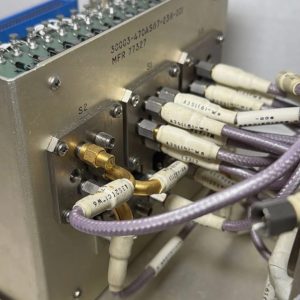
The Aviation Switching Module – NSN 4920-01-250-2696 (AS-IS / Untested) should be purchased with the understanding that no operational, calibration, serviceability, compatibility, or installation guarantee is being made.
An Aircraft Switching Module may control, route, select, isolate, or distribute compatible electrical signals or circuits, while an Aerospace Switching Module should be evaluated according to its exact internal design and intended equipment relationship.
Every Aircraft Power Switching Module or Aircraft Signal Switching Module should be assessed individually because connectors, voltage, current, control logic, and system compatibility can vary significantly.
An Aircraft Switching Unit can support specialized signal or circuit management, but an Aerospace Power Distribution Module or Aviation Power Control Module may use different internal architecture and electrical requirements.
Identifying the Aerospace Switching Unit
Accurate NSN verification helps reduce purchasing errors and prevents an unrelated module from being represented as compatible equipment.
Military or aviation-surplus components may carry replacement numbers, superseded numbers, modification markings, or contract identifiers that assist research.
Untested Switching Module Condition
The condition description should be understood as a limitation rather than a suggestion that the unit is probably operational.
An untested component should not be connected directly to aircraft wiring, expensive test equipment, batteries, laboratory supplies, or unknown power sources.
Evaluating Aircraft Switching Functions
Application accuracy protects buyers from assuming that a broadly named Aircraft Switching Module will fit their project.
External controls may include switches, selectors, indicators, circuit positions, covers, labels, or connection ports depending on the exact configuration.
Inspecting Aerospace Electrical Hardware
Age, handling, impact, humidity, temperature changes, contamination, and long-term storage can affect both mechanical and electrical condition.
Connector damage can prevent proper mating or create electrical shorts even when the module enclosure remains intact.
Inspecting Aviation Module Wiring
Discoloration near connectors or switches may indicate electrical heat, chemical exposure, or ordinary aging and should be investigated.
Seals, labels, inspection marks, tamper indicators, and original component arrangements may have historical or technical value.
Choosing an Aviation Electrical Control Module
Professional research should occur before any attempt to connect the Aviation Electrical Control Module.
Aggressive solvents, scraping, repainting, or polishing may remove original information.
Aircraft Power Switching Module Considerations
Power switching equipment can create heat, arcing, or equipment damage when connected incorrectly.
Missing covers or barriers may expose conductive points and increase handling risk.
Choosing an Aerospace Electrical Control Unit
Troubleshooting requires a logical sequence based on technical information rather than random power application.
Replacement components should match the required electrical, mechanical, thermal, and environmental characteristics of the original design.
Signal Switching Module Inspection
An incorrect connection may damage sensitive electronics even when the module itself receives little power.
A complete accessory inventory improves the commercial website presentation of the Aircraft Signal Switching Module.
Choosing an Aviation Control Module
Associated wiring, power supplies, interfaces, switches, displays, sensors, test sets, or aircraft equipment may be required for meaningful operation.
A matching NSN or housing does not always confirm identical internal configuration when modifications or supersessions exist.
Aircraft Test and Support Equipment
Its value depends on identity, completeness, cosmetic condition, connector integrity, internal status, rarity, and availability of documentation.
Responsible educational use can extend the value of the Aircraft Switching Unit.
Aerospace Power Distribution Module Considerations
Internal conductive components can corrode or loosen during storage.
Mounting points should be inspected because secure installation can affect grounding, cooling, vibration resistance, and connector alignment.
Aircraft Module Functional Evaluation
An Aircraft Electrical Control Unit should receive an organized inspection covering identification, enclosure condition, connectors, controls, labels, hardware, internal components, and signs of environmental exposure.
Functional evaluation should proceed in stages, beginning with research and non-powered inspection before controlled electrical testing.
Untested Aviation Power Equipment
The NSN’s federal supply classification may provide useful context, but the exact role should still be researched through item-specific records.
Technicians should inspect for capacitors, transformers, relays, damaged insulation, or hazardous residues before opening or testing the unit.
Aircraft Electronic Switching System Integration
An Aircraft Electronic Switching System may consist of multiple modules, harnesses, control panels, relays, indicators, power sources, and associated equipment.
Intermittent switching problems can result from worn contacts, damaged connectors, corrosion, weak relays, cracked solder joints, unstable power, or harness faults.
Aerospace Switching Unit Storage and Handling
Proper storage helps preserve the Aerospace Switching Unit for testing, restoration, or collection.
Loose accessories should be wrapped separately and inventoried before packaging.
Aircraft Electrical Module Buying Considerations
Commercial evaluation should focus on total project suitability rather than the purchase price alone.
Images should show labels, switches, connectors, enclosure surfaces, mounting points, fasteners, seals, internal areas if opened professionally, and included accessories.
Aerospace Module Pre-Purchase Inspection
The seller should disclose corrosion, missing parts, broken controls, damaged connectors, previous repairs, opened seals, burned areas, contamination, and signs of impact.
- Confirm that the identification plate shows NSN 4920-01-250-2696 and record every manufacturer number, serial number, contract marking, revision, and modification label.
- Arrange qualified technical evaluation whenever condition, internal status, or testing requirements remain uncertain.
- Report shipping damage, missing accessories, identification differences, undisclosed repairs, or altered condition promptly.
Professional Bench Evaluation
Every connection should be documented before power is applied.
The test should stop immediately if overheating, smoke, arcing, excessive current, unstable operation, or unusual odor occurs.
Aerospace Module Component Replacement
Replacement parts should be selected according to electrical rating, mechanical fit, material, environmental requirements, and original design intent.
Every repair should record the date, technician, fault found, parts replaced, measurements, testing performed, and remaining limitations.
Selecting a Surplus Aerospace Switching Unit
The Aviation Switching Module – NSN 4920-01-250-2696 (AS-IS / Untested) may suit aviation workshops, military-surplus collectors, aerospace technicians, educational programs, equipment restorers, and specialist parts buyers.
Careful technical and commercial evaluation can reduce equipment damage, incompatible purchases, missing-accessory costs, testing hazards, and restoration delays.
Whether customers search for an Aircraft Electronic Switching System, Aerospace Switching Unit, or Aircraft Electrical Module, broad terminology should not replace technical application research.
With verified identity, careful inspection, protected storage, safe bench procedures, organized documentation, and qualified technical review, the module can provide lasting specialist value.
Report this page